

Signing a lease contract in Illinois is a substantial occasion for both tenants and landlords alike. This legally holding record models the parameters for the rental relationship, protecting from book and remains to the responsibilities of equally parties. In a complex industry of leasing laws and property norms, a clear comprehension of your illinois rental lease agreement is non-negotiable.
The Basics: What is a Residential Lease Agreement?
A residential lease deal is an agreement for the leasing of a property for residential applications by someone who is maybe not the owner. In Illinois, that written agreement is vital since it acts as a record of the terms and problems agreed upon, defending the rights of tenants and landlords.

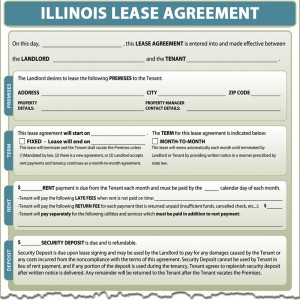
In their state, the lease should include specific things to be officially presenting, such as:
The names of the tenant(s) and landlord(s)
An explanation of the hire property, including their handle
The word of the lease, or the period of the rental period
The total amount of book and the due date, plus any late charges
The rules about property use, including any restrictions
Security Deposits: Clarifying the Criteria
Illinois has apparent regulations regarding safety remains, seeking to stop unfair practices. According to the Lease Security Deposit Behave (765 ILCS 715/), the deposit might not surpass two months' rent. The landlord should give you the tenant by having an supply number by qualified mail, outlining any injuries prior to maintaining any percentage of the deposit.
Upon the firing of the lease, the landlord is obliged to return the deposit within 45 days if the tenant has achieved all obligations and doesn't owe any outstanding rent or damages.
Repairs and Maintenance: Defining Duties
One of the very critical facets of a lease could be the clause related to the maintenance of the rental property. Underneath the state legislation, landlords are in charge of maintaining a habitable dwelling, a legal normal that includes:
Conformity with regional health and security requirements
Upkeep of electrical, plumbing, heat, and appliances
Maintenance of the framework and popular places
Tenants must also keep the home in a fair manner, such as keeping it clear and losing waste properly. They're maybe not, however, accountable for regular wear and tear.
Conclusion
Moving an Illinois residential lease agreement could be complicated, but understanding the file in its whole is paramount. Whether you're a landlord composing a lease or a tenant researching one, guarantee you comprehend the main element points discussed here. By doing so, you'll set the period for an obvious and good rental experience.